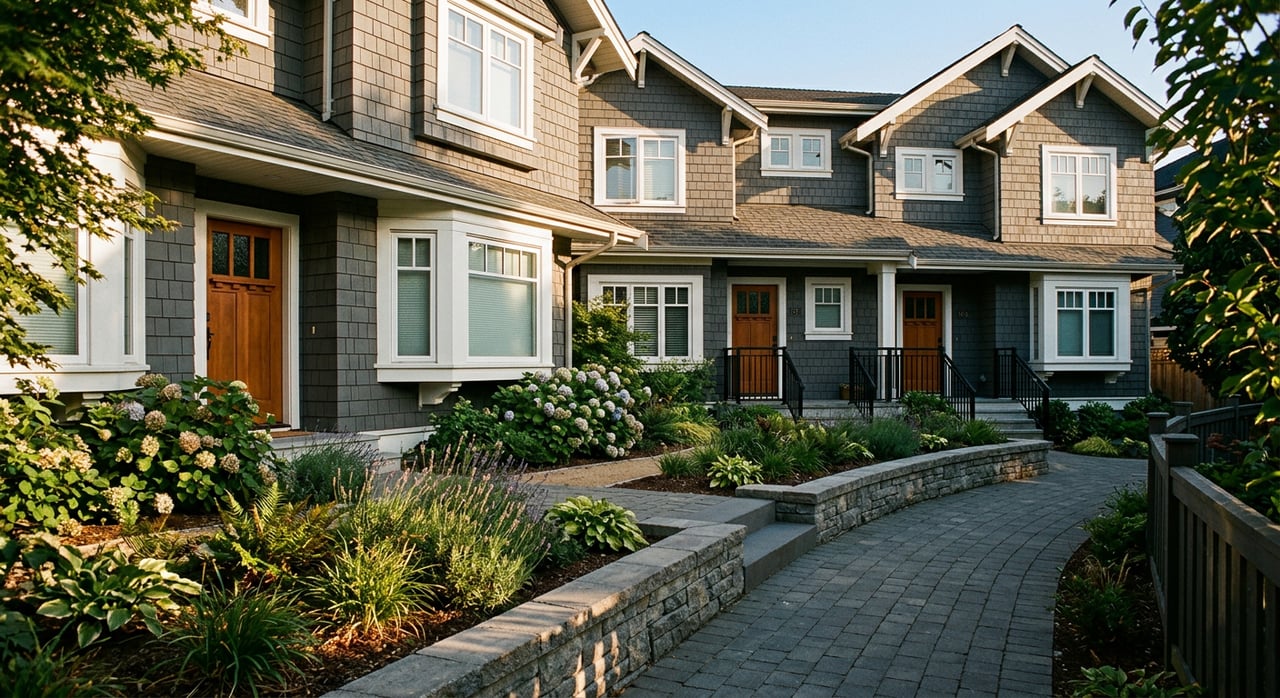
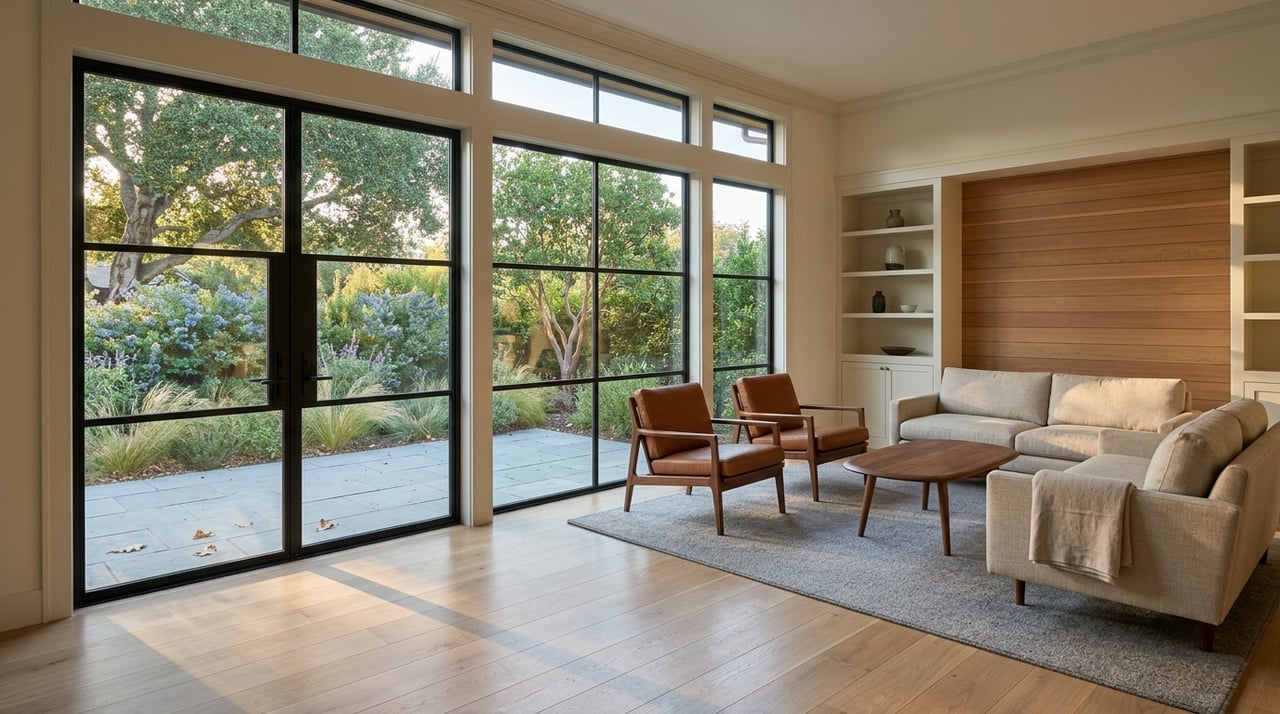
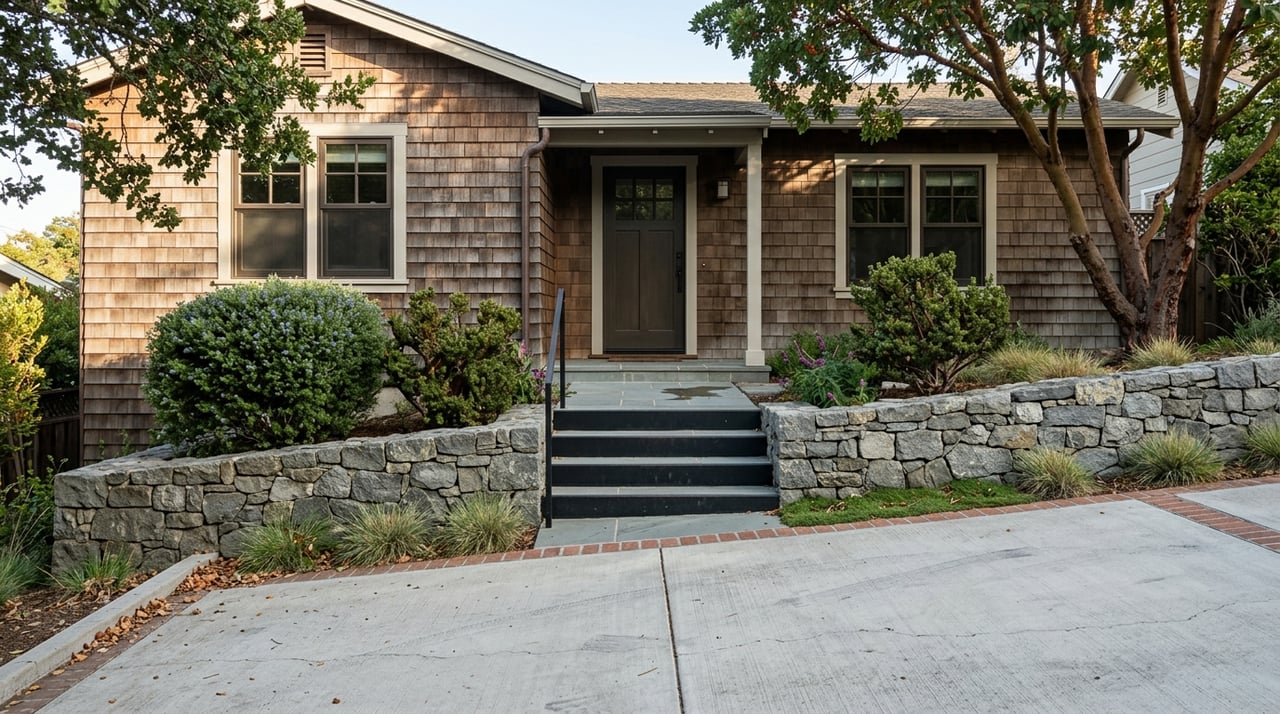
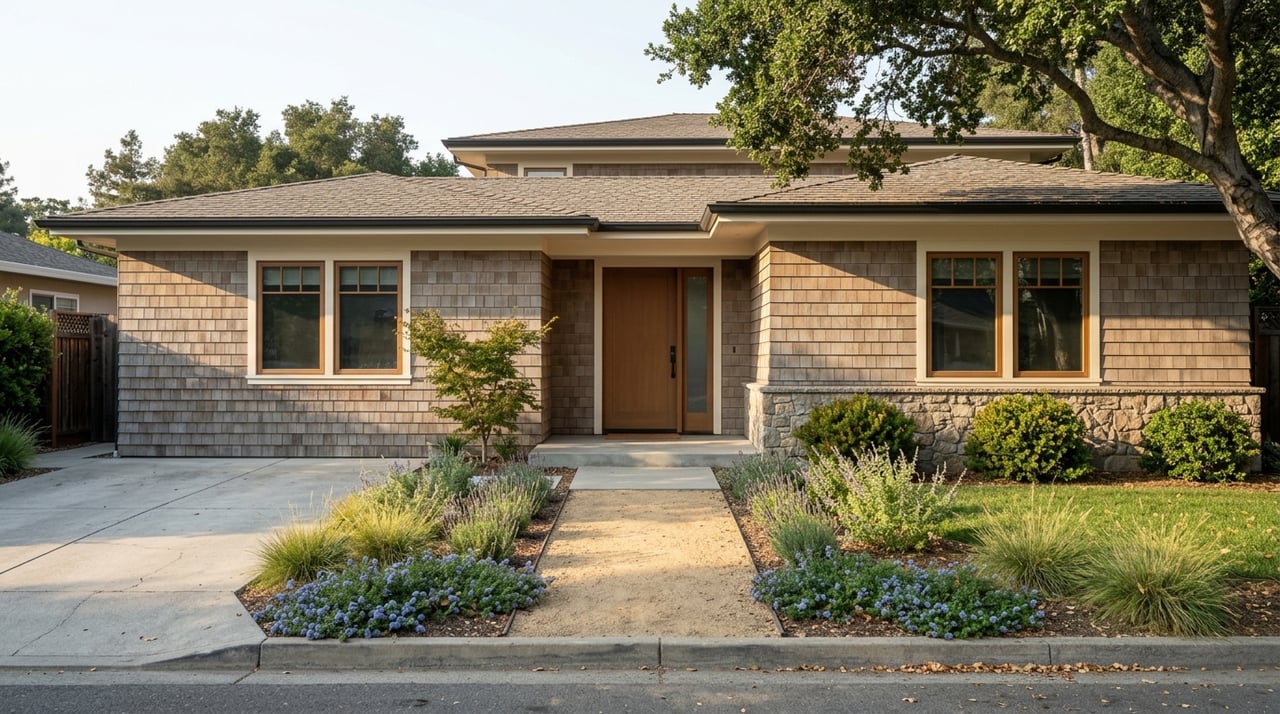
Trying to choose between a townhome and a single-family house in San Rafael? You’re not alone. With a citywide median sale price around $1,342,500 as of February 2026, you want to be sure your next move fits your budget, lifestyle, and long‑term plan. In this guide, you’ll learn how costs, HOA rules, space, ADU potential, and local risks factor into the decision in San Rafael. Let’s dive in.
San Rafael snapshot: prices and pace
San Rafael’s market sits in the mid six- to low seven-figure range, and many neighborhoods still feel competitive. Townhomes and condos often list below single-family homes, though select larger or waterfront units can price near or above single-family levels. Inventory and tempo vary by neighborhood and property type, so expect differences between downtown condos and suburban single-family homes.
The key for you is comparing the all-in cost of each option with what you value most: privacy, yard space, and control vs convenience, predictability, and location.
What really changes monthly costs
Your monthly payment is more than principal and interest. Taxes, insurance, HOA dues, and maintenance reserves can shift the total.
Here is a simple, apples-to-apples example that focuses on costs you can estimate today. It uses the 1% maintenance rule of thumb from State Farm and a smaller reserve for a townhome since HOAs often cover exterior items.
- Example prices: Townhome at $1,150,000 vs single-family house at $1,350,000
- Property tax estimate for illustration: 1% base rate of purchase price (actual bills include voter‑approved assessments and local charges)
- Maintenance reserve: 0.5% per year for the townhome vs 1% per year for the single-family
- HOA dues: example $500 per month for the townhome (actual dues vary by complex)
Townhome (non–principal & interest components):
- Property tax: $1,150,000 x 1% = $11,500 per year ≈ $958 per month
- Maintenance reserve: 0.5% of $1,150,000 = $5,750 per year ≈ $479 per month
- HOA dues: $500 per month
- Subtotal non-P&I: about $1,937 per month
Single-family (non–principal & interest components):
- Property tax: $1,350,000 x 1% = $13,500 per year ≈ $1,125 per month
- Maintenance reserve: 1% of $1,350,000 = $13,500 per year ≈ $1,125 per month
- HOA dues: $0
- Subtotal non-P&I: about $2,250 per month
In this scenario, the townhome’s non-mortgage costs are roughly $313 less per month, even with HOA dues. Your lender’s principal and interest quote will add to each, and the price gap may change the final comparison. The takeaway: run the full worksheet before you decide.
Quick worksheet to use on any property:
- Base mortgage P&I: $____ (ask your lender)
- Property tax estimate: 1% of price per year ÷ 12 = $____/mo, plus local assessments
- Insurance estimate: $____/mo (get quotes)
- HOA dues (if any): $____/mo
- Maintenance reserve: 0.5%–1% of price per year ÷ 12 = $____/mo
- Estimated all-in monthly: $____/mo
For the maintenance reserve guideline, see State Farm’s overview of the 1%–4% budgeting rule for homeowners: how to budget for home maintenance.
Space, privacy, and control
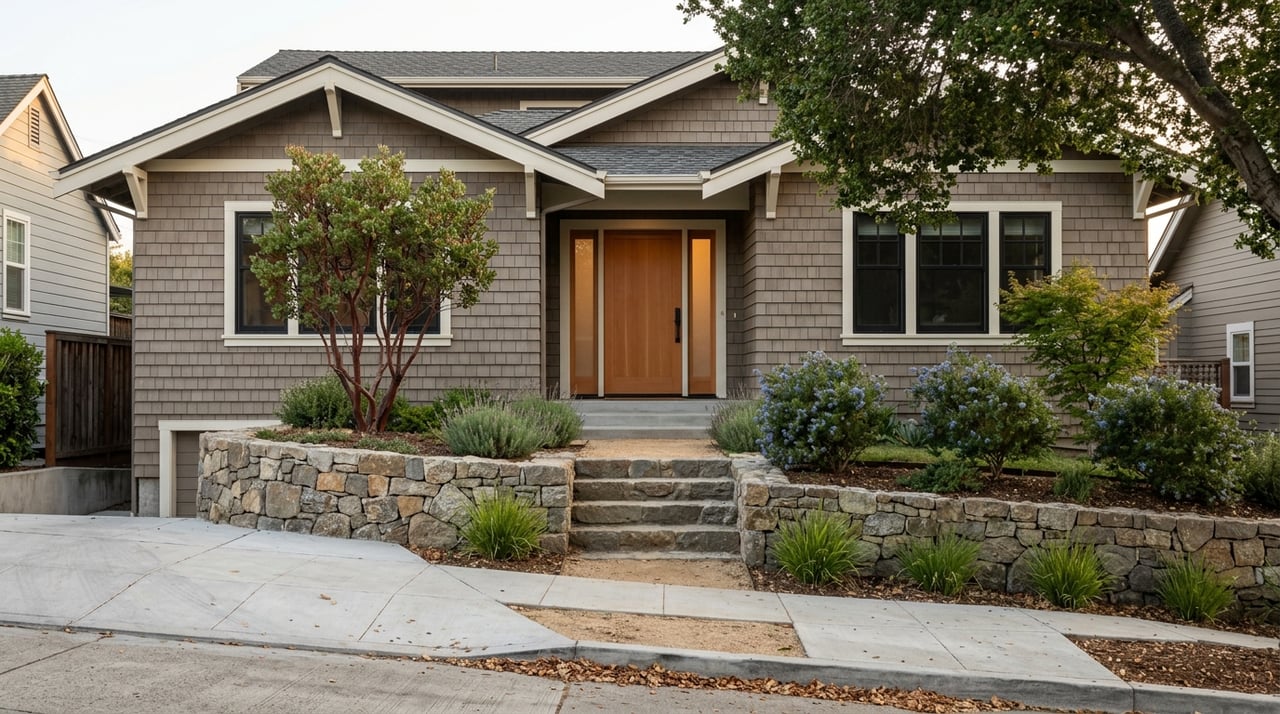
- Single-family homes typically give you more separation from neighbors, a private yard, and greater control over exterior changes. You decide paint colors, landscape, and many upgrades, subject to local permits.
- Townhomes and condos can share walls and common spaces. You trade some control for convenience, with rules in the CC&Rs that cover exterior changes, noise policies, and use of common areas.
Request CC&Rs and recent HOA meeting minutes before you commit so you understand rules and any proposed changes.
Outdoor space and parking
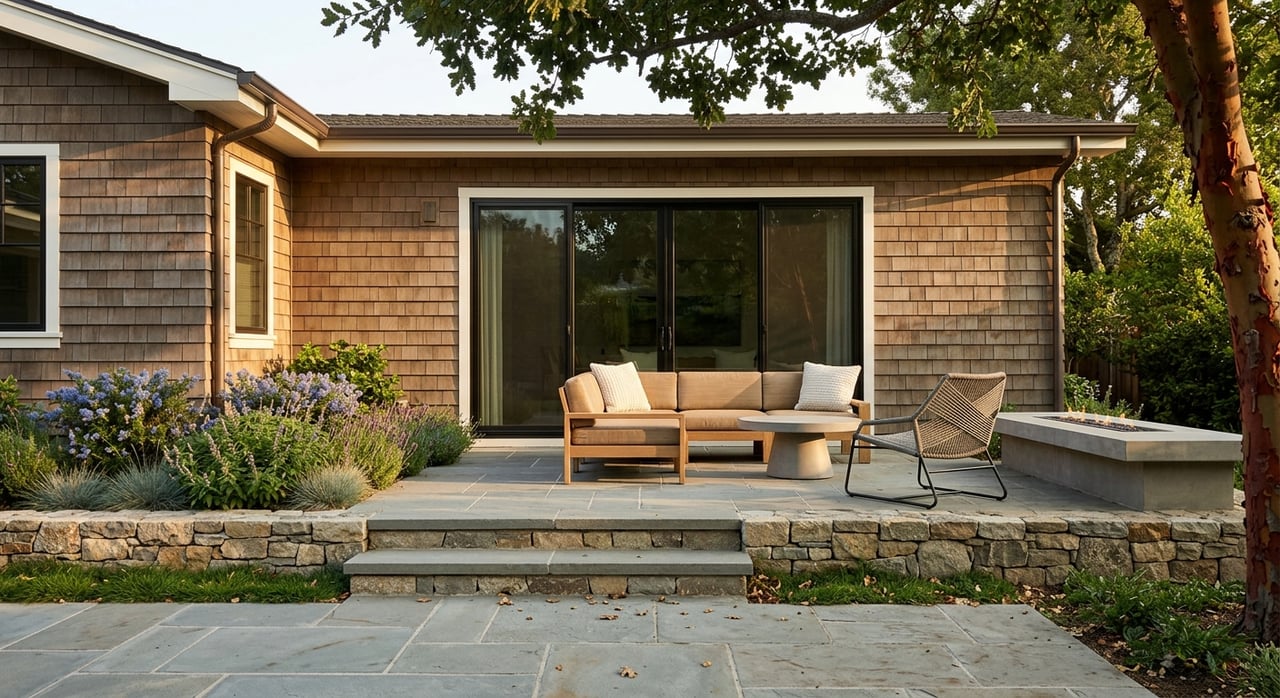
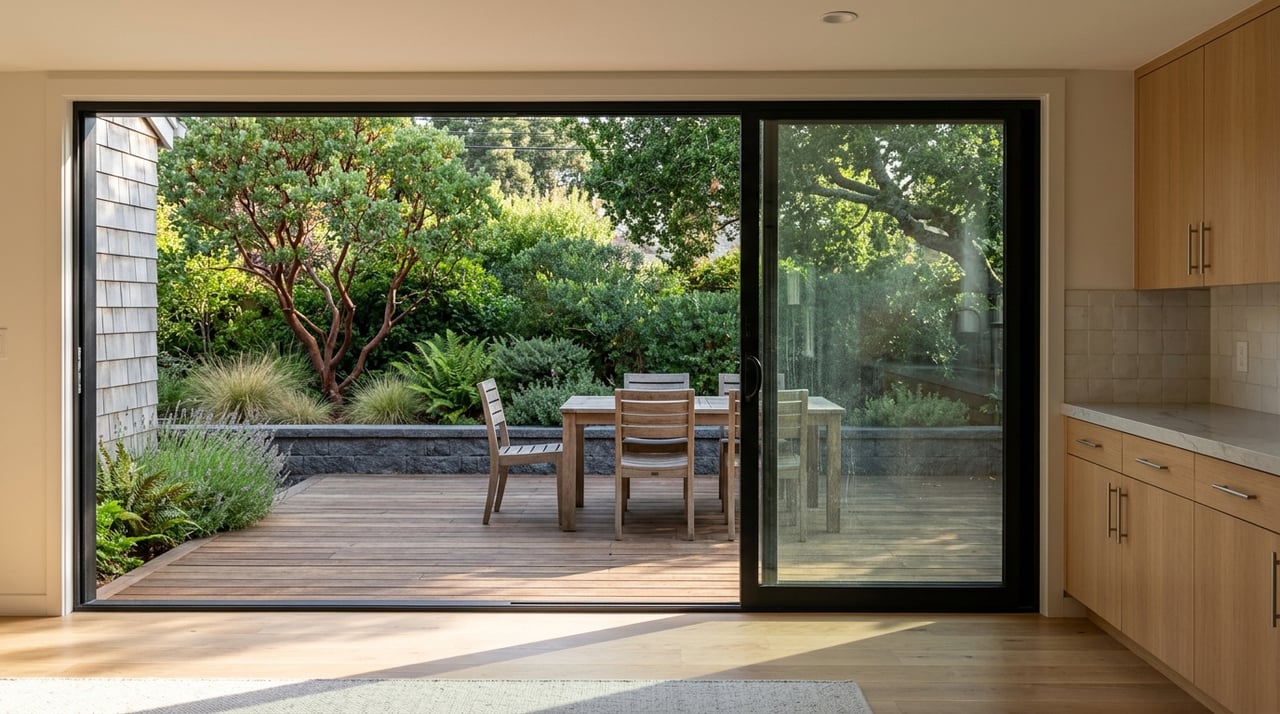
- Single-family: private yards, decks, gardens, and driveways are common. If you want room for pets, gardening, or outdoor dining, this may be a priority.
- Townhomes/condos: patios, small yard strips, or balconies vary by complex. Parking can be deeded garage spaces, assigned carports, or unassigned lots. Confirm exactly what comes with the unit and where guests can park.
Renovation, ADU potential, and HOA rules
If you want space to expand over time, a single-family home usually offers more options.
- Single-family: You can often add living space or build an ADU, subject to city or county permits and site constraints. Marin County extended certain ADU fee waivers through December 31, 2026, which can reduce upfront permitting costs for eligible projects. Review the county’s program update: ADU incentives extension. San Rafael’s local ADU rules align with state law; review the city’s adopted ordinance materials to understand details and limits: San Rafael ADU ordinance documentation.
- Townhome/condo: Adding an ADU is usually impractical because you do not control the parcel. Interior changes and rental rules depend on the HOA. Always confirm rental caps, short‑term rental policies, and approval steps for any structural or systems changes.
Insurance and local hazards
Coverage type differs by property type, and local risks matter.
- Single-family: You typically carry a dwelling policy that covers the structure and your property. You are responsible for the building and yard.
- Condo/townhome: Your HOA carries a master policy that covers the structure and common areas to a defined point. You usually buy an HO‑6 policy for interiors and personal property. Ask your agent to explain what the master policy includes, where your coverage begins, and whether you need loss assessment coverage. For a plain-English overview, see this guide to condo and HOA master policies.
Local hazard notes:
- Flooding and sea-level rise: Parts of San Rafael, including low‑lying areas such as the Canal District, face periodic flooding during storms and king tides. Review the city’s Sea‑Level Rise Vulnerability Study and local reporting on the Canal’s flood exposure: community coverage of Canal flooding risks. If a property is in or near a flood zone, get a FEMA map check and a flood insurance quote before you write an offer.
- Earthquake risk exists across the Bay Area. Discuss coverage options with your insurance professional.
Neighborhood snapshots: matching lifestyle to place
Every buyer values different tradeoffs. Here are neutral, high-level notes to help you focus your search.
Downtown, Third Street, North San Rafael
- Closer to shops and services, with a mix of small condo buildings and older homes. Good if you prioritize walkability and access to downtown.
Terra Linda, Sun Valley, Marinwood
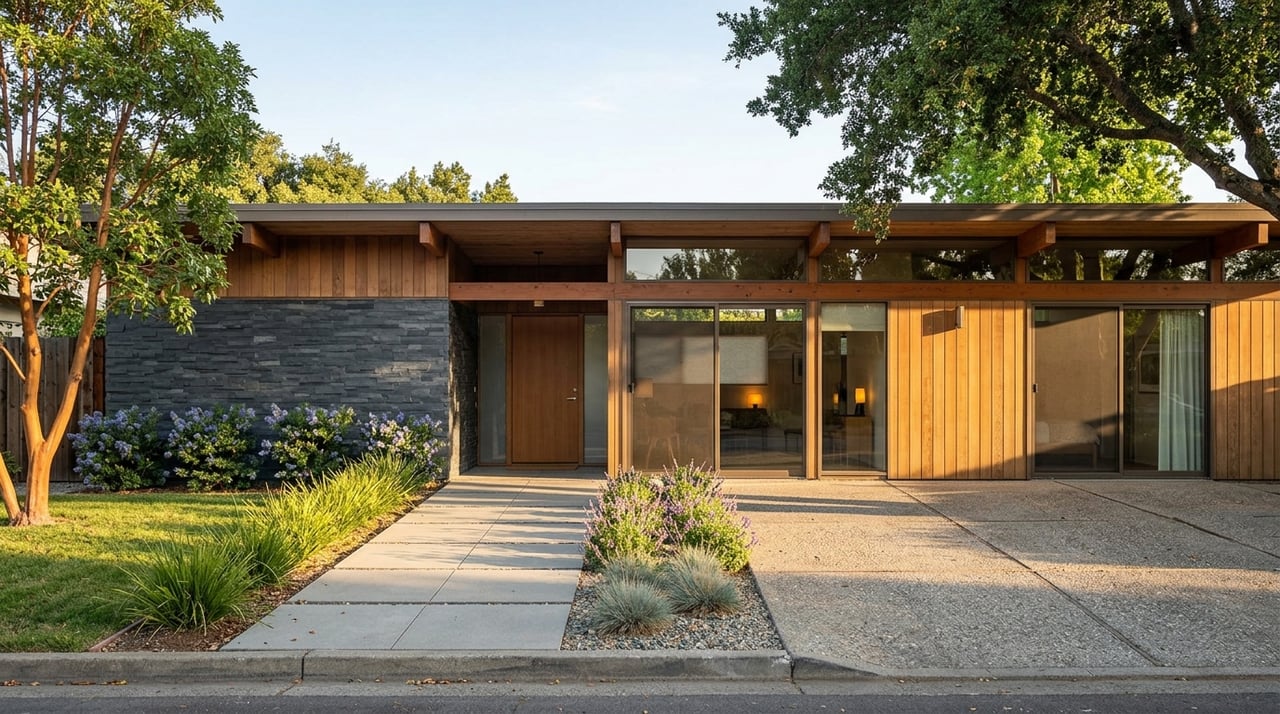
- Many mid‑century single-family neighborhoods with lot sizes that can support outdoor living. Families often ask about school options here; review San Rafael City Schools resources and independent sites like GreatSchools’ San Rafael overview to understand enrollment boundaries and program details.
Canal District
- A mix of housing options at comparatively lower price points for San Rafael, with elevated flood and resilience considerations. If you tour homes here, make a flood zone check and insurance quote part of your early due diligence.
Peacock Gap, Gerstle Park, Indian Valley
- Primarily single-family neighborhoods with consistent demand and a range of lot sizes. Always review recent local comps when you evaluate price and condition.
Commute and transit considerations
If you value a low‑stress commute, transit access can tip the scale toward a condo or centrally located townhome.
Property taxes and special assessments
California’s Proposition 13 sets a 1% base tax rate on assessed value at purchase, and bills typically include voter‑approved assessments and local charges. For a clear explanation of how Marin County builds the secured tax bill, see the county’s guide: how to read your property tax bill. Your effective rate will vary by Tax Rate Area, so use the assessor’s tools for a precise estimate on any property.
Due diligence checklists you can use
Before you choose a townhome or a house, gather the right documents. These checklists will save time and help you spot red flags early.
For condos and townhomes
- Most recent HOA budget and reserve study
- HOA meeting minutes for the past 12 months
- Master insurance policy declarations; confirm coverage type and deductible
- Rental rules and owner‑occupancy policies
- Any planned special assessments or pending litigation
- Parking assignments, storage details, and common area rules
For single-family homes
- Permit history for remodels and additions; confirm finaled permits
- Roof age, HVAC, water heater, electrical panel, and major system ages
- Sewer vs septic, drainage conditions, slope stability notes
- Five‑year maintenance reserve plan using typical system lifespans
For any property
- Current property tax bill or Tax Rate Area lookup for estimates
- Flood zone and sea‑level rise review if the property is low‑lying
- Insurance quotes appropriate to the property type
- A filled‑in monthly cost worksheet with P&I, taxes, insurance, HOA, and maintenance
Decision scenarios to make it concrete
Use these quick scenarios to check your own priorities.
Budget-first buyer who wants San Rafael now
- Start with condos or townhomes that fit your pre‑approval.
- Target buildings with healthy reserves and reasonable dues for the amenities.
- Get an HO‑6 quote and ask about loss assessment coverage.
- Confirm deeded parking, storage, and any rental rules if you plan to rent later.
Move-up buyer seeking space and ADU potential
Commuter who values low maintenance and walkability
- Consider downtown condos or centrally located townhomes near SMART and bus lines.
- Check soundproofing, elevator maintenance, and HOA policies for deliveries and short‑term rentals if relevant.
- Verify transit schedules for your commute window with the SMART schedule.
Choosing between a townhome and a house in San Rafael comes down to your monthly comfort level, how you want to live day to day, and what you plan to do with the property over time. If you want help running the numbers, comparing neighborhoods, or pressure‑testing an ADU idea, connect with Falla Associates for local, data‑driven guidance.
FAQs
Is now a good time to buy a townhome or house in San Rafael?
- Early 2026 conditions lean competitive in many subareas, but results vary by neighborhood and property type. Focus on your budget, time horizon, and the specific property’s fundamentals rather than trying to time the market.
How much do HOA dues run in San Rafael, and what do they cover?
- Dues vary widely by complex and amenities and often cover exterior maintenance, landscaping, and building insurance up to the master policy limits. Always review the HOA budget, reserve study, and master policy to see what is and is not included.
Can I build an ADU on a San Rafael property?
How do Marin County property taxes work for new buyers?
- Under Proposition 13, the base rate is 1% of the assessed value at purchase, plus voter‑approved assessments and local charges. See Marin’s guide to reading your property tax bill and use the assessor’s tools for your parcel.
Do I need flood or earthquake insurance in San Rafael?
- It depends on the property’s location and your risk tolerance. Review the city’s Sea‑Level Rise Vulnerability Study, check FEMA flood maps, and get quotes. Condo buyers should also confirm what the HOA’s master policy covers and consider an HO‑6 with appropriate endorsements, as outlined in this condo insurance guide.