
Understanding Days on Market in San Rafael Real Estate
January 1, 2026
January 1, 2026
Ever scroll San Rafael listings and wonder why one home sells in a week while another lingers for months? Understanding days on market tells you the story behind pricing, demand, and negotiation power. In this guide, you’ll learn how DOM and CDOM work, how they affect offers and outcomes, and how to read them in the context of Marin’s seasonal market. Let’s dive in.
Days on Market (DOM) is the number of days from when a property is listed as active to when it goes pending or is removed from the market. You see it in MLS reports and on most consumer sites. DOM reflects how long the current listing has been visible to buyers.
Cumulative Days on Market (CDOM) adds up all the time a property has been actively marketed across relistings or agent changes. It aims to show total exposure since the home first hit the market, even if the listing was withdrawn and relisted later.
MLS rules control when DOM resets and when CDOM continues to accumulate. Those policies vary by MLS and can change over time. Status choices like withdrawal, price change, coming soon, or reactivation can affect what you see. Ask your agent to verify how the local MLS serving Marin tracks prior listing history and CDOM for a specific property.
DOM tells you how the current listing is performing. CDOM gives a fuller view of total market time. A home that looks “new” with low DOM could still have a high CDOM if it was on earlier, which can influence how you frame your offer or price strategy.
When DOM is short, buyers usually read that as strong demand or correct pricing relative to the competition. Sellers often gain leverage, see more showings, and receive stronger terms. That can mean multiple offers, fewer contingencies, and sale prices closer to or above list in faster segments.
When DOM is extended, buyers often assume the home is overpriced or has issues with condition, location, or disclosures. Longer DOM tends to soften seller leverage. You may see requests for price reductions, credits, or more contingency protections as buyers look for negotiation room.
San Rafael and broader Marin include a large share of single-family homes, many older or historic properties, hillside sites, and higher-priced suburban residences. Unique or higher-end homes typically take longer to match with the right buyer compared with more common entry-level properties. Expect variation in DOM by price tier and property type.
Seasonality is pronounced. Spring, roughly March through June, is the busiest period with higher buyer traffic and generally lower DOM. Late fall and winter often show slower activity and longer DOM. Local rhythms like school calendars, Marin’s outdoor curb appeal, and commute patterns tied to San Francisco influence timing and demand.
Interest rates and Bay Area employment trends also affect market speed. Shifts in remote work, hiring cycles, or economic confidence can change buyer urgency and DOM quickly. Keep an eye on inventory too. When months of inventory rises, DOM usually follows. Local association and MLS reports provide timely snapshots of active listings, median prices, and days on market for San Rafael and Marin.
Online presentation drives first impressions. Professional photography, virtual tours, and floor plans help buyers understand value quickly, especially in a higher-priced market like Marin. Poor or incomplete visuals can slow showings and stretch DOM even when pricing is fair.
Staging and thoughtful decluttering are powerful in move-in focused segments. In Marin, buyers often expect more polished presentation. Staged homes typically sell faster and closer to list price when compared with similar unstaged homes, especially when pricing is aligned with comps.
Repairs and disclosures matter. Older Marin homes can come with roof, foundation, seismic, or septic considerations. Clear disclosures and proactive repairs reduce uncertainty. When buyers see deferred maintenance or missing information, they tend to slow down, add contingencies, or wait, all of which add days on market.
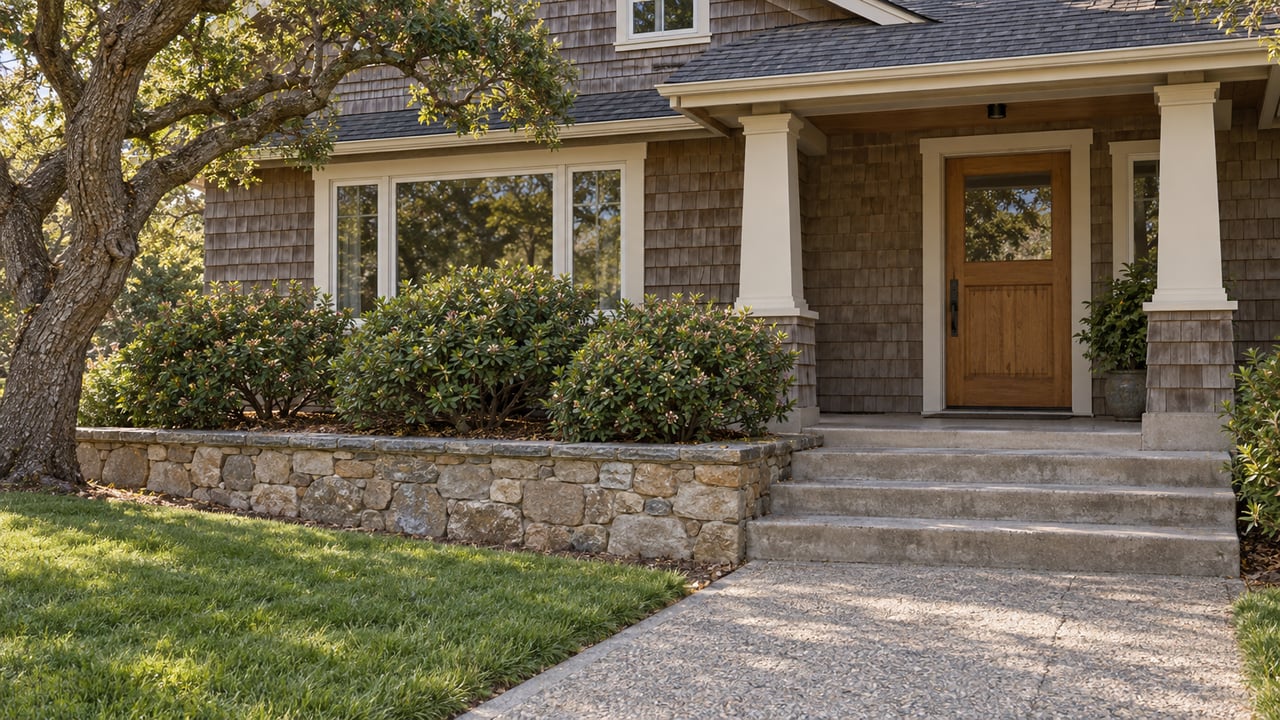
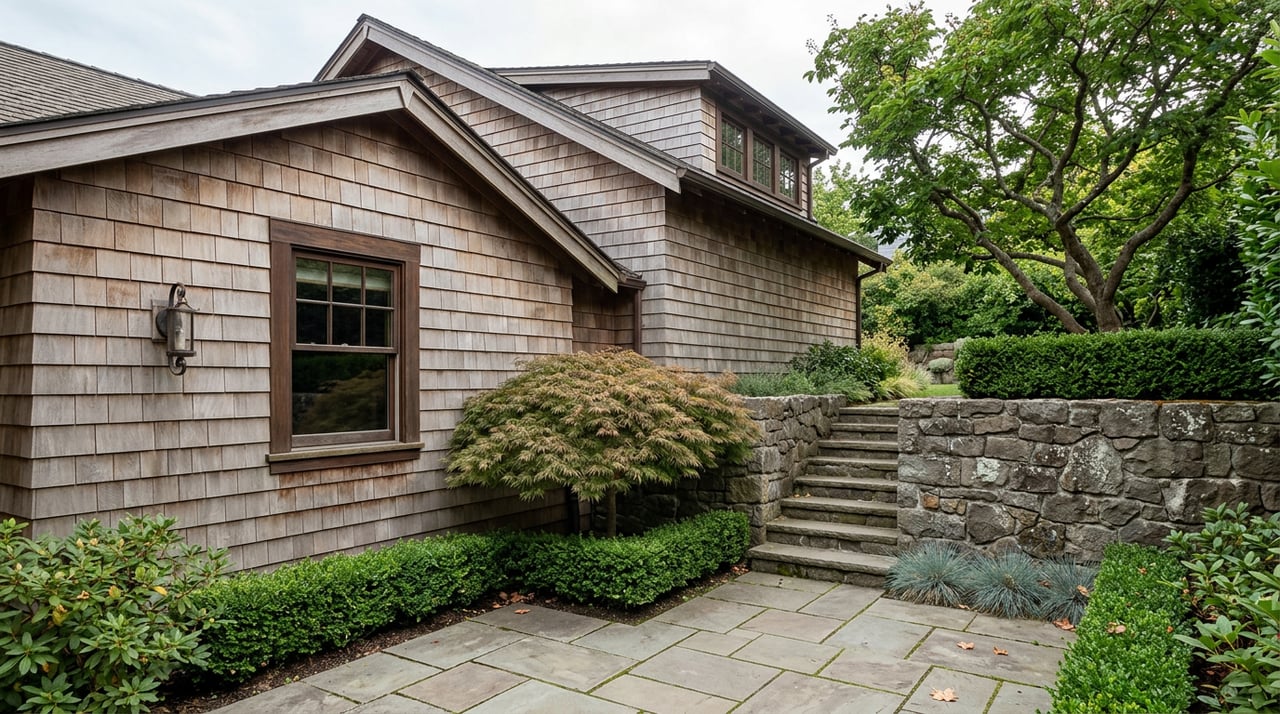
Landscaping and curb appeal influence how buyers feel about a home before they step inside. Marin’s outdoor lifestyle puts extra weight on decks, views, and yard presentation. Timing improvements to bloom cycles and seasonal yard work can boost early interest.
Timing your launch also helps. Entering the market at the start of the local showing week, often Thursday or Friday, and aligning with weekend open houses improves early momentum. Paired with a pricing strategy that fits local search bands and, when appropriate, an offer review plan, you can attract focused attention in the first 7 to 10 days.
Niche marketing can speed results for unique properties. View homes, larger lots, or equestrian-friendly parcels often benefit from targeted outreach to the right buyer groups and broker networks rather than generic exposure alone. In Marin, details like steep hillside access, private road agreements, septic versus sewer, or historic restrictions can lengthen DOM if they are not addressed and marketed clearly from the start.
DOM is a helpful signal, but context is everything. When you evaluate a listing, look at the full picture:
If a home shows low DOM in a fast segment, assume other buyers are preparing. Strengthen your offer with clean terms where you can, while protecting your interests with targeted contingencies. Confirm CDOM to make sure the listing did not re-enter after an earlier attempt.
If a home shows higher DOM, learn the “why” before you bid. Your strategy might include inspection credits for known issues, a price aligned to recent sold comps rather than list price, and flexible timing that helps the seller. Use DOM to frame your leverage, but let the property’s facts drive your terms.
In all cases, anchor to recent nearby sales and active competition. DOM is one piece of the puzzle, and it becomes powerful when paired with pricing, condition, and inventory trends.
Set expectations by price tier and neighborhood. Work from recent closed comps and current active competition to estimate a realistic time frame. Build a 30, 60, and 90-day plan that tracks traffic, inquiries, and feedback so you can adjust quickly if momentum lags.
Prepare the home to reduce friction for buyers. Staging, pre-list repairs, clear disclosures, and high-quality visuals remove reasons to hesitate. In Marin, where many homes are older, addressing known issues up front often shortens DOM and safeguards your net.
Be ready with a decision tree for price action. If you are not seeing the expected traffic or second-showing conversions within an agreed window, consider a well-timed, substantive adjustment that brings the home into the most active search ranges. Make sure changes are communicated clearly to re-energize buyer interest.
You deserve a plan that matches San Rafael’s rhythms and your goals. Our approach focuses on presentation, pricing, and distribution that builds early momentum:
With the right preparation and strategy, DOM becomes a tool you use, not a number that works against you.
Ready to decode your DOM, set expectations, and act with confidence? Get a Free Home Valuation and a tailored plan from Falla Associates. We’ll help you align pricing, presentation, and timing to win in San Rafael.
Stay up to date on the latest real estate trends.





Partner with a team that values trust, results, and a personalized experience from start to finish.
Contact With Our Team To Learn More

FALLA ASSOCIATES
902 Irwin St San Rafael CA 94901 Jennifer Falla Firkins | CA DRE# 01255172 Alva Falla | CA DRE# 00628712