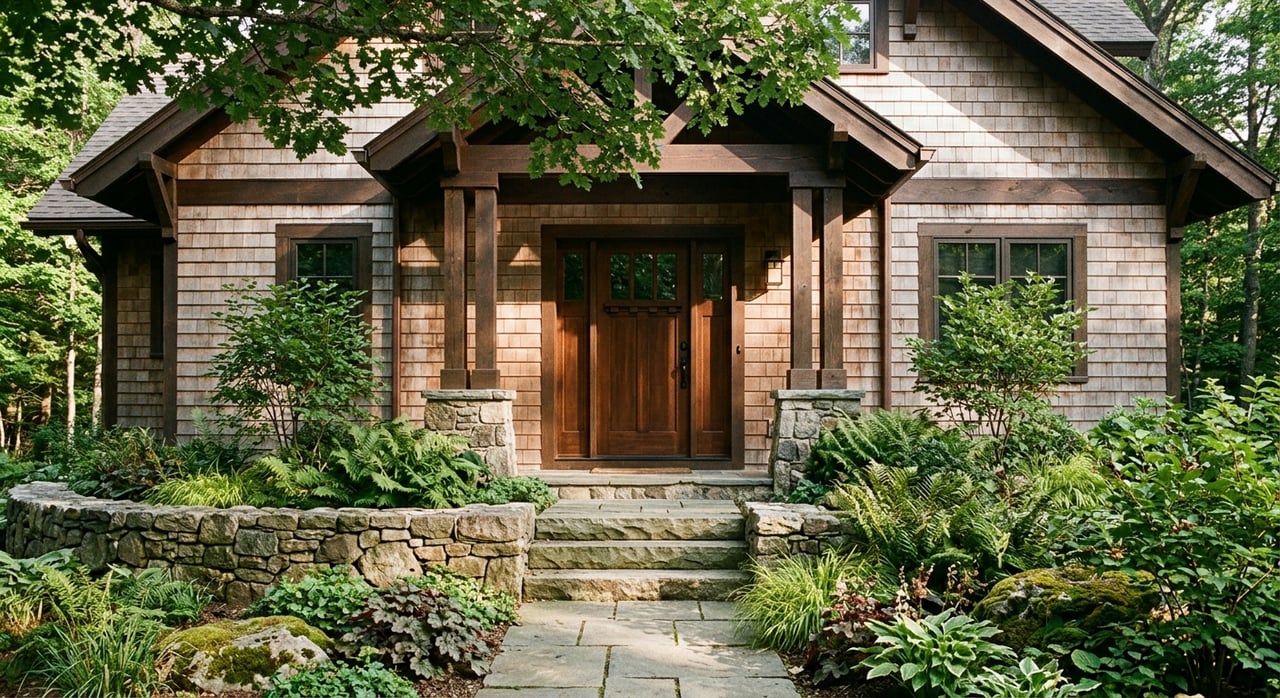
Smart San Rafael Home Pricing Strategies for Sellers
April 16, 2026
April 16, 2026
If you’re thinking about selling in San Rafael, your list price matters more than ever. Buyers are still active, but today’s market looks more selective than frenzied, which means the right price can help you attract serious interest early while the wrong one can cost you time and leverage. Here’s how to think about pricing your San Rafael home in a way that fits current market conditions and your specific neighborhood.
San Rafael is active, but it is not a market where broad optimism alone sets the right number. According to Zillow’s San Rafael market snapshot, the average home value was $1,319,431 as of March 31, 2026, with 134 homes for sale, 58 new listings, and homes going pending in 22 days.
That same snapshot also shows a market with mixed outcomes. The median sale-to-list ratio was 0.993, with 32.9% of sales above list and 53.7% below list. In plain terms, some homes are still winning multiple offers, but many are selling under asking, which makes precise pricing more important.
Other sources point in the same direction, even if they measure the market differently. Realtor.com’s March 2026 San Rafael data shows 154 active listings, a $995,000 median listing price, and 32 days on market, while Redfin’s city market page reports a 99.8% sale-to-list ratio and 9.9% of homes with price drops. These numbers are not directly interchangeable, but together they suggest a market that rewards accuracy.
One of the biggest pricing mistakes in San Rafael is relying too much on citywide averages. San Rafael does not behave like one flat market. It behaves more like several smaller markets shaped by location, property type, buyer pool, and how move-in ready a home feels.
Realtor.com neighborhood-level data shows just how wide the range is. In March 2026, North San Rafael had a median listing price of $714,000 and 30 days on market, while Central San Rafael was at $1,385,000 and 36 days on market. Terra Linda came in at $550,000 with 28 days on market, while Marinwood was at $2,672,000 and 98 days on market.
The spread continues across other parts of the city. Gerstle Park showed $1,222,500 and 42 days on market, San Pedro Peninsula showed $1,399,000 and 30 days on market, Canal showed $487,500 and 103 days on market, and Dominican-Black Canyon showed $2,150,000 and 126 days on market. That kind of variation is exactly why your pricing strategy should be built around nearby comparable homes, not just a city headline.
Sold data helps reveal what buyers are actually willing to pay. Redfin’s neighborhood reports show that in February 2026, North San Rafael had a median sale price of $970,000, 68 days on market, and a 98.1% sale-to-list ratio.
In the same period, Gerstle Park posted a median sale price of $1,270,000, 80 days on market, and a 100.6% sale-to-list ratio. San Pedro Peninsula showed a median sale price of $1,687,500, 30 days on market, and a 98.9% sale-to-list ratio. Those are meaningful differences, even within the same city.
That is why list price should never be based on a rough guess or a single online estimate. Two homes in San Rafael can close very differently in the same week depending on condition, updates, street location, views, lot usability, and how well the home matches current buyer demand.
It is tempting to “leave room to negotiate,” especially when statewide conditions still look reasonably supportive. The California Association of Realtors forecasts that 2026 existing single-family home sales will rise 2% and the statewide median home price will increase 3.6% to a projected $905,000, according to C.A.R.’s 2026 forecast.
But stable does not mean sellers can ignore market signals. A home that starts too high may sit longer, lose momentum, and eventually sell for less than it might have if it had launched at a market-aware price.
Redfin’s April 2026 report on price cuts found that 34.2% of February 2026 sellers cut their list price, with average reductions of $40,915, or 7.3%. Zillow’s pricing research, cited in the research report, also found that homes lingering for about two months sold for roughly 5% below list. When a listing feels stale, buyers often see opportunity to negotiate harder.
There are situations where a more aggressive strategy makes sense. If your home is especially desirable for its submarket, well prepared, and entering the market at the right time, pricing to encourage strong early attention can help create competition.
For example, Redfin neighborhood data notes that hot homes in North San Rafael can sell for about 3% above list and go pending in around 15 days. In San Pedro Peninsula, hot homes can sell for about 4% above list and go pending in around 21 days.
That does not mean every home should be priced below market in hopes of a bidding war. It means the strategy needs to fit the home, the competition, and the likely buyer pool. In a price-sensitive market, the best results usually come from a thoughtful launch, not from chasing attention with an unrealistic number.
Timing and pricing work together. If you have flexibility, late spring remains one of the most defensible times to bring a San Rafael listing to market.
According to Realtor.com’s 2026 Best Time to Sell report, the week of April 12-18 is the strongest national listing window in 2026 because price, demand, and pace tend to align. Zillow’s seller timing research, referenced in the report, also found that homes listed in the last two weeks of May 2025 sold for 1.7% more nationwide, and that San Francisco sees its strongest premiums in spring.
There is also evidence that spring sellers are less likely to need a price cut. Redfin’s 2026 price-cut report says May had the lowest share of price cuts in six of the past ten years, while April had the lowest in three of those years. If your home will be ready in that window, it can support a cleaner pricing strategy and stronger first impression.
The safest starting point is a market-accurate price grounded in nearby comparable sales, neighborhood trends, and your home’s condition. Realtor.com’s pricing guidance notes that accurate pricing helps attract qualified buyers and reduce days on market.
In practice, that usually means looking at several factors together:
This is also where preparation matters. A well-presented home often supports a stronger pricing conversation because buyers can more easily see value. Thoughtful staging, budget-conscious improvements, and polished visual marketing can help your home compete more effectively when buyers are comparing options closely.
If you are selling in San Rafael today, think of pricing as a positioning decision, not just a number. The goal is to meet the market where buyers are while still protecting your upside.
That usually means avoiding the extremes. Pricing too low without a clear strategy can leave money on the table, while pricing too high can lead to longer market time and weaker negotiations later. The better path is usually local, data-driven, and specific to your home’s block, condition, and likely buyer.
If you want help evaluating where your property fits in today’s San Rafael market, Falla Associates can help you build a pricing strategy based on neighborhood comps, presentation, and timing so you can launch with confidence.
Stay up to date on the latest real estate trends.

Partner with a team that values trust, results, and a personalized experience from start to finish.
Contact With Our Team To Learn More

FALLA ASSOCIATES
902 Irwin St San Rafael CA 94901 Jennifer Falla Firkins | CA DRE# 01255172 Alva Falla | CA DRE# 00628712