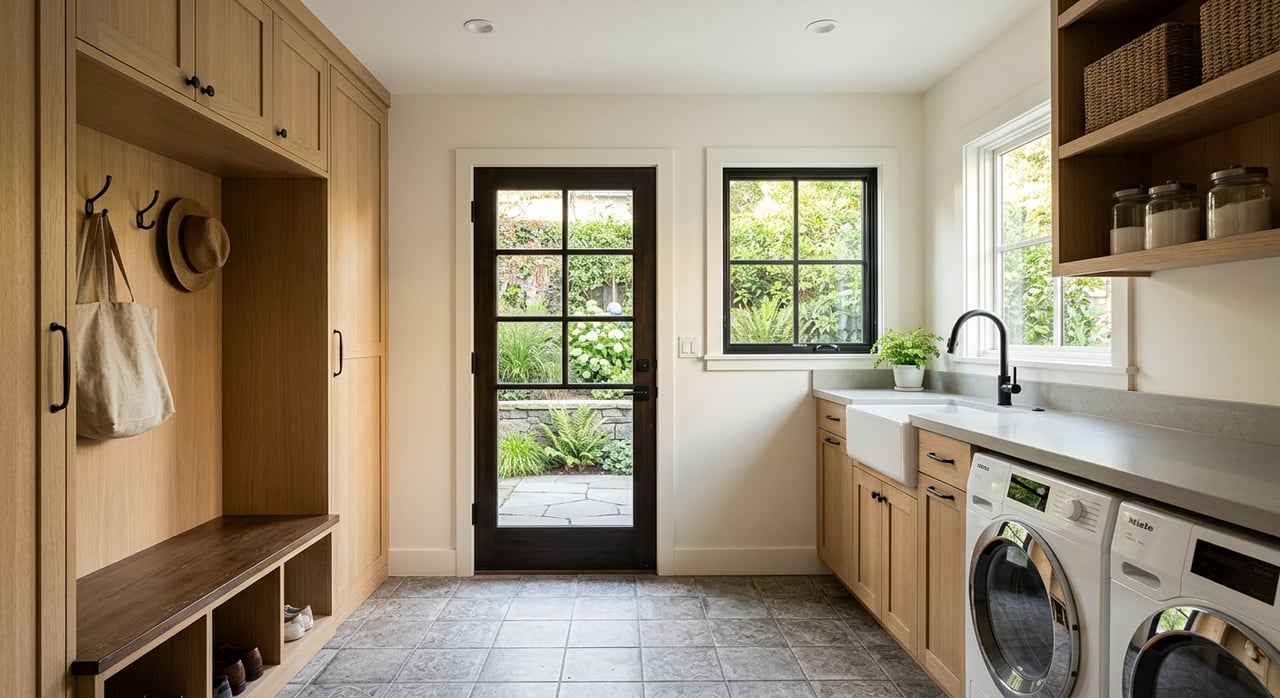
Should You Sell Or Keep Your Novato Rental Property?
June 4, 2026
June 4, 2026
If your Novato rental has built meaningful equity, you may be asking a tough but smart question: should you keep collecting rent, or sell while Marin remains a competitive market? That decision is rarely just about whether the property is occupied. It usually comes down to cash flow, repair costs, local rules, taxes, and how much risk you want to carry going forward. Let’s break down what matters most in Novato, San Rafael, and greater Marin so you can make a clearer decision.
For many landlords, the timing question starts with the market. In Marin County, Realtor.com’s March 2026 snapshot shows a median listing price of $1.4 million, a median rental price of $3,695, 702 homes for sale, and a 26-day median time on market. The same snapshot labels Marin a seller’s market and shows a 100% sale-to-list ratio.
That matters because a rental property does not need to be a perfect long-term hold if the resale market gives you a strong exit option. If your property is underperforming, a still-liquid market may give you the chance to convert equity into cash without waiting for ideal conditions.
At the city level, Realtor.com reports a $1.165 million median listing price in Novato and a $3,400 median monthly rental price. In San Rafael, the median listing price is $1.198 million and the median monthly rental price is $2,737.
Census 2020-2024 estimates show median gross rent of $2,506 in Novato and $2,377 in San Rafael. These figures are broader occupied-unit benchmarks, while Realtor.com reflects current asking rents, so they should not be treated as the same thing. Still, together they help show that rents are active, but ownership costs and pricing remain high.
A quick gross-rent screen helps explain why many owners feel torn. Using current asking rents and listing prices, the rough gross yield is about 3.5% in Novato, 2.7% in San Rafael, and 3.2% countywide before expenses, vacancy, financing, and taxes.
That is only a screening tool, not a full investment analysis. But it shows why this choice is often more about equity, leverage, future repairs, and risk tolerance than about rent growth alone.
Marin County’s housing element says about 40% of renters in unincorporated Marin spend more than 30% of income on rent, and vacancy rates are among the lowest in the Bay Area. In plain terms, tenant demand remains strong.
Strong demand can support occupancy, but it does not automatically make a rental a great hold. If your after-expense return is thin, demand alone may not justify keeping the property.
Before you decide, look beyond the monthly rent check. What matters most is your true annual net income after mortgage payments, property taxes, insurance, maintenance, vacancy, management, and reserve costs.
Many owners discover that a property that looks fine on the surface becomes much less attractive after those costs are fully counted. If your margin is narrow, one major repair or a longer vacancy can change the picture fast.
A clear keep-versus-sell decision usually starts with a few core questions:
These are the questions to review with your real estate agent and CPA. In a market like Novato or San Rafael, small differences in repairs, taxes, or rent potential can shift the answer.
One of the biggest reasons owners choose to sell is not current rent. It is upcoming work. If the property needs meaningful repairs, system upgrades, or code-related improvements in the next one to two years, the cost of holding may rise quickly.
That is especially important if your rental has older components, deferred maintenance, or tenant-occupied conditions that could make future work more complicated. If the return is already modest, upcoming capital needs may weaken the keep case.
California’s Tenant Protection Act, AB 1482, caps many annual rent increases at 5% plus CPI or 10%, whichever is lower. It also requires just cause to end many tenancies after 12 months. Some single-family homes and condominiums may be exempt, but only under specific conditions, including the required written exemption notice.
For Novato owners, local rules deserve close attention. The City of Novato reported on May 29, 2026 that its Tenant Protections Ordinance is now in effect, and the city’s Housing Element page says the ordinance was developed through its 2024 Housing Element update and 2025 study sessions to expand just-cause protections and add relocation and right-of-return concepts for some no-fault displacements.
If your rental is in San Rafael, the city’s Cause for Eviction ordinance took effect on July 17, 2019. The city says it applies to properties with at least three dwelling units, and no-fault terminations can include owner move-in, permanent removal from the rental market, substantial rehabilitation, and refusal to execute a lease. The city also states that permanent removal requires 120 days’ notice, and its Mandatory Mediation program can be triggered by rent increases greater than 5% over 12 months.
If the property is in unincorporated Marin, the county says rules vary by property location and type. County guidance also states that all rentals in unincorporated Marin need a business license, most non-owner-occupied properties with three or more units need a multi-unit housing health permit, the county maintains a rental registry, and the state security-deposit limit that took effect on July 1, 2024 generally caps deposits at one month’s rent, with a limited exception for some small landlords.
In many cases, holding still works. If your property has stable occupancy, manageable reserves, limited near-term repair needs, and an after-expense return that still fits your goals, keeping it may be the right move.
This can be especially true if you value long-term appreciation, do not need to unlock equity today, and are comfortable with the legal and operational side of ownership. Strong local tenant demand can support this path, even when the gross yield looks modest.
You may lean toward keeping the rental if:
The key is realism. A rental should earn its place in your portfolio based on net return and workload, not just habit or past appreciation.
Selling becomes more attractive when the property is no longer performing well enough to justify the effort. In Marin, a seller’s market can create a practical window to exit an underperforming rental and redeploy equity elsewhere.
For some owners, this is less about giving up future rent and more about reducing complexity. If you want fewer landlord obligations, less exposure to repair costs, or a simpler financial picture, a sale may align better with your goals.
You may lean toward selling if:
This is often the clearest path when the numbers no longer justify the time, risk, and capital tied up in the property.
If you sell a rental, taxes can materially affect your net proceeds. Depreciation can reduce your tax basis over time, and a sale of depreciable property can trigger depreciation recapture and other tax consequences.
That means your decision should not be based on market price alone. You need to understand what you would actually keep after taxes and transaction costs, then compare that number with the realistic long-term return from continuing to hold.
If you are weighing whether to sell or keep your Novato rental property, focus on the issues you can measure. Start with net income, likely repair costs, tenant-rule compliance, tax exposure, and what you would do with the equity if you sold.
In today’s Marin market, both options can be reasonable. The best answer depends on whether your property’s after-expense return is strong enough to justify the ownership burden from here.
If you want a clear, local read on your property’s resale potential and how it fits into today’s Novato or San Rafael market, Falla Associates can help you evaluate your next step with practical, data-driven guidance.
Stay up to date on the latest real estate trends.

Bay Area Living
Discover the rich history, scenic shoreline, outdoor adventures, and local favorites that make East San Rafael one of Marin's most desirable places to call home.



Partner with a team that values trust, results, and a personalized experience from start to finish.
Contact With Our Team To Learn More

FALLA ASSOCIATES
902 Irwin St San Rafael CA 94901 Jennifer Falla Firkins | CA DRE# 01255172 Alva Falla | CA DRE# 00628712