San Rafael Hillside vs Flats: Choosing Your Ideal Spot
July 16, 2026
July 16, 2026
Wondering whether San Rafael’s hillsides or its flatter areas will feel more like home? It is a common question, especially when you are balancing commute, upkeep, views, and future plans for the property. The good news is that San Rafael offers both terrain-driven character and easy-access living, and each comes with clear tradeoffs you can evaluate before you buy. Let’s dive in.
In San Rafael, “hillside vs. flats” is not just about scenery. The city frames hillside property by slope and overlay rules rather than by one simple neighborhood label, while flatter areas often connect more directly to downtown, transit, and day-to-day convenience.
That matters because you may be comparing homes in places like Dominican / Black Canyon, Fairhills, Lincoln / San Rafael Hill, Mont Marin / San Rafael Park, Terra Linda, or West End, each with different site conditions and access patterns. In other words, this is less about picking a single neighborhood type and more about choosing the kind of living experience that fits your priorities.
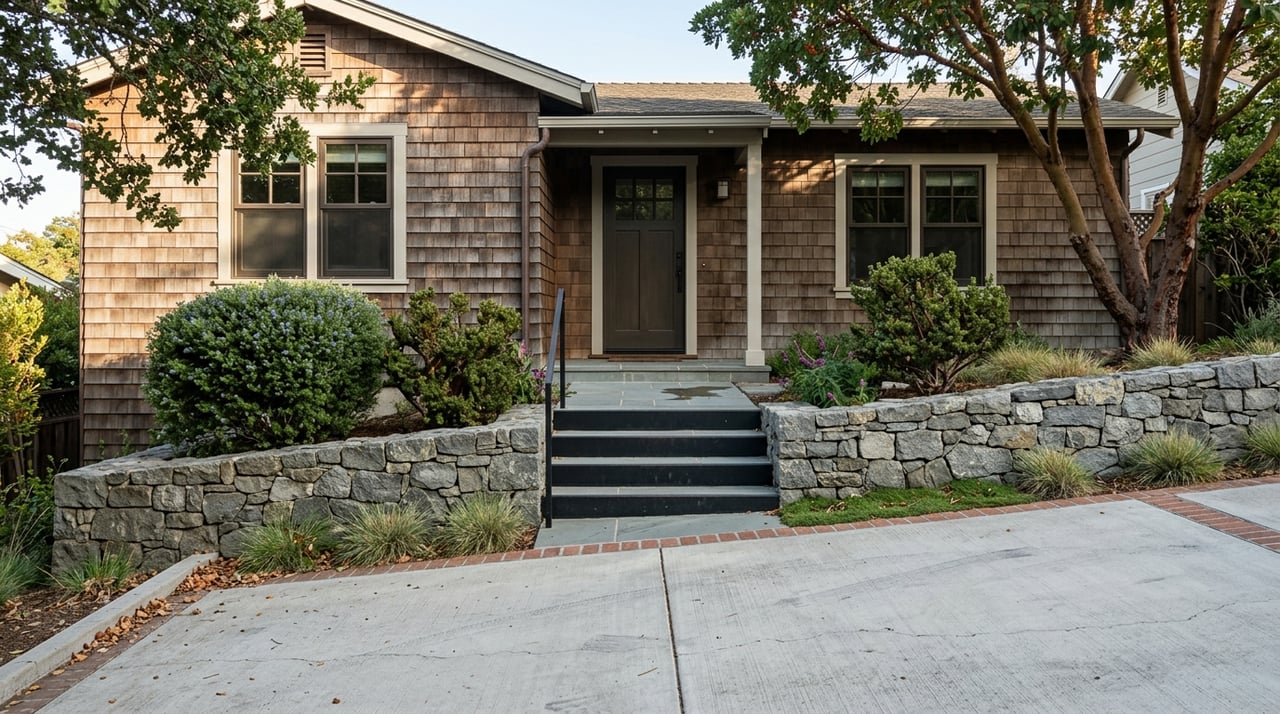
Hillside homes in San Rafael can offer a strong sense of setting. You may find more elevated outlooks, more varied lot shapes, and homes designed around slope, terraces, and changing grades. For many buyers, that terrain is part of the appeal.
At the same time, hillside properties usually come with more site-specific rules. The city requires design review for new development and many exterior changes on residential hillside parcels, and standards can address slope, ridgelines, natural-state requirements, tree replacement, and parking on narrower streets.
If you are thinking about remodeling, expanding, or reworking the exterior, these details matter. Setbacks and building mass can be handled differently in hillside areas than in standard flat neighborhoods, so a project that feels straightforward on one lot may be more complex on another.
Some hillside parcels fall near visually significant ridgelines. In those locations, the city regulates new development within 100 vertical feet of the ridgeline, which can affect how future changes are reviewed.
For you as a buyer, this means it is wise to think beyond the current house. A great view may come with design limits tied to roofline mass, placement, and visual impact, so understanding the site context early can help you make a more confident decision.
Parking can also feel different in hillside areas. The city’s rules include added parking expectations on streets under 26 feet wide, and San Rafael is also working on a parking-box program in residential hillside neighborhoods.
This is not just a convenience issue. The city’s wildfire materials treat narrow hillside streets as an evacuation and emergency-access concern, which makes roadside clearance and how cars are parked part of everyday living in some hillside settings.
Flatter areas in San Rafael often appeal to buyers who want easier day-to-day access. If your routine includes quick errands, a simpler walking route, or less concern about steep driveways and stairs, a flatter location may feel more practical.
These areas can also be easier to evaluate if you expect routine home updates. The city notes that some non-hillside projects do not require design review, including one-story single-family residences and decks in non-hillside areas, along with ordinary maintenance, repairs, and solar panels.
That does not mean every flat-area project is simple, but it can mean fewer slope-specific constraints. If flexibility matters to you, that can be a meaningful advantage.
Flatter and more central parts of San Rafael also tend to have the city’s strongest transit connections. The San Rafael Transit Center is Marin County’s regional transit hub, with local and regional buses, airporter service, Greyhound, SMART rail, bike parking, and about 9,000 daily boardings.
Downtown San Rafael plays a major role in that system. Nearly half of weekday riders either start or end their trip downtown, and the downtown SMART station sits one block from the Bettini Transit Center.
Marin Transit’s route system also connects Downtown San Rafael to places such as the Canal, Civic Center, Northgate, Marin City, Novato, and Fairfax. If you expect to use transit regularly, a flatter or more central location can better support a lower-car routine.
For many buyers, the decision comes down to how you want your home to function every day. Hillside homes can offer a more dramatic physical setting, but they may also bring added permitting complexity, street-access considerations, and more visible wildfire-preparedness responsibilities.
Flatter homes can simplify errands, commuting, and smaller property projects, but they may not deliver the same terrain-driven feel. In some low-lying parts of San Rafael, they can also require a closer look at flood exposure and drainage conditions.
Location decisions in San Rafael are not only about views and convenience. The city says many low-lying areas are increasingly vulnerable to flooding as sea levels rise, so buyers looking at flatter sections should pay attention to localized flood exposure.
On the other side of the equation, the city’s wildfire action plan applies vegetation standards citywide and emphasizes defensible space and fire-resistant materials. Those issues may feel especially visible in hillside and narrow-street neighborhoods, where access and clearance can play a bigger role in daily maintenance.
Neither factor automatically makes one location better than the other. It simply means your due diligence should match the kind of site you are considering.
Before you decide between a hillside home and a flatter one, it helps to get specific about how you live. A beautiful property is only the right fit if it supports your routine, budget, and comfort with long-term upkeep.
Here are a few practical questions to guide your search:
When you tour homes in San Rafael, try to compare more than the house itself. Look at the slope of the lot, the width of the street, the ease of parking, the path from car to front door, and how the location supports your daily routine.
It also helps to think about your next five to ten years, not just move-in day. If you may remodel, commute by transit, downsize your driving, or want lower-maintenance outdoor conditions, those goals can point you clearly toward either the hillsides or the flats.
There is no universal winner in the hillside-versus-flats debate. The better choice is the one that matches how you want to live, what kind of upkeep you are comfortable with, and how much site complexity you want to take on.
In San Rafael, that choice is especially local and property-specific. Two homes just a short drive apart can offer very different experiences when it comes to access, permitting, parking, views, and resilience factors.
If you want help sorting through those tradeoffs, Falla Associates brings deep San Rafael knowledge and a consultative approach to help you compare homes with clarity and confidence.
Stay up to date on the latest real estate trends.

Bay Area Living
Discover the rich history, scenic shoreline, outdoor adventures, and local favorites that make East San Rafael one of Marin's most desirable places to call home.
Partner with a team that values trust, results, and a personalized experience from start to finish.
Contact With Our Team To Learn More

FALLA ASSOCIATES
902 Irwin St San Rafael CA 94901 Jennifer Falla Firkins | CA DRE# 01255172 Alva Falla | CA DRE# 00628712