San Rafael Microclimates Guide for Local Homebuyers
May 14, 2026
May 14, 2026
Ever wonder why one street in San Rafael feels cool and breezy while another just a few minutes away feels sunny and warm? If you are buying a home here, that difference is not your imagination. San Rafael’s mix of bay frontage, ridgelines, hillsides, and valleys creates real microclimates that can shape your day-to-day comfort, yard use, and even how a home performs through the seasons. Let’s dive in.
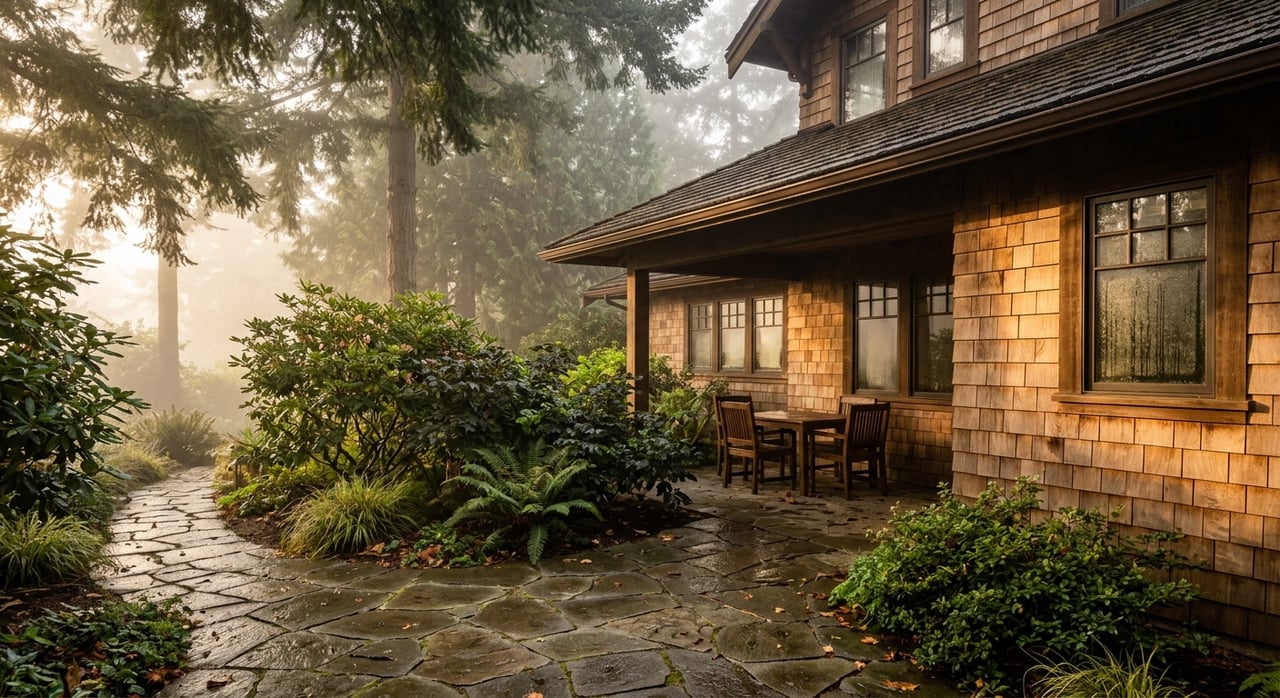
San Rafael’s landscape naturally creates weather differences across the city. The city sits at the edge of San Francisco Bay, with ridgelines, shoreline areas, hillsides, and valley sections all influencing how air, moisture, and sun move through different neighborhoods.
Marin County flood documentation describes the San Rafael Creek watershed as spanning Central, Downtown, and East San Rafael, with a mix of hillside neighborhoods, urban areas, and bay-front wetlands. That varied terrain helps explain why conditions can change noticeably from one part of the city to another.
A useful climate baseline comes from the NOAA station at the San Rafael Civic Center. Its long-term normals show average highs of about 58.2°F in January and 81.6°F in July, average lows of 42.4°F in January and 54.9°F in July, and annual precipitation of 34.45 inches. Still, those numbers reflect the city core, not every lot or hillside.
The biggest weather pattern many buyers notice is the marine layer. NOAA explains that this cool, moist layer forms near the coast under an inversion and most often affects the region from April through August, with May and June especially likely for marine clouds to move inland.
In practical terms, that often means low clouds and fog can arrive overnight or in the early morning, especially around the bay. These conditions often clear by midday, but not every part of San Rafael clears at the same pace.
Marin’s climate-zone guide helps make this easier to picture. Inland areas of San Rafael are placed in Sunset Zone 15, which is described as a coastal climate with some winter frosts, warmer summers, and afternoon winds. Eastern San Rafael is placed in Zone 17, which is described as having mild, wet winters, cool summers, and frequent fog and wind.
For you as a buyer, the broad takeaway is simple. Bay-adjacent and more eastern parts of San Rafael often feel more maritime, while inland valleys and some hill areas may feel sunnier and warmer.
Microclimate is not just about the neighborhood. It can also change from the front yard to the back deck.
UC Marin Master Gardeners note that slope and exposure affect solar radiation, wind exposure, and water flow. Cold pockets often form at the bottoms of slopes, which means lower areas on a property may feel cooler and hold moisture longer than upper terraces or hillside pads.
The direction a home faces matters too. East-facing areas are typically moister and get morning sun, while west-facing sites tend to be hotter, windier, and drier. If you are comparing two homes with similar square footage, lot orientation alone can make them live very differently.
Hilltops can also behave differently than protected valley spots. Marin’s zone guide notes that lowland valley areas and hilltops receive the most frost, which can matter if you care about outdoor living, landscaping, or garden planning.
A home’s microclimate can influence how it feels hour by hour. One property may stay cool and breezy through the afternoon, while another nearby may warm up quickly once the sun clears the hills.
In San Rafael, a cooler home may need less active cooling during warm weather. At the same time, that same home may feel damp, shaded, or overcast for longer parts of the day depending on its exposure and proximity to marine influence.
A sunnier hillside home may feel bright and warm earlier in the day. It may also need more shading, especially on west- and south-facing sides, to stay comfortable during warmer afternoons.
This is why local buyers often pay close attention to more than finishes and floor plans. The lot, orientation, and surrounding terrain can have a real effect on how a home lives.
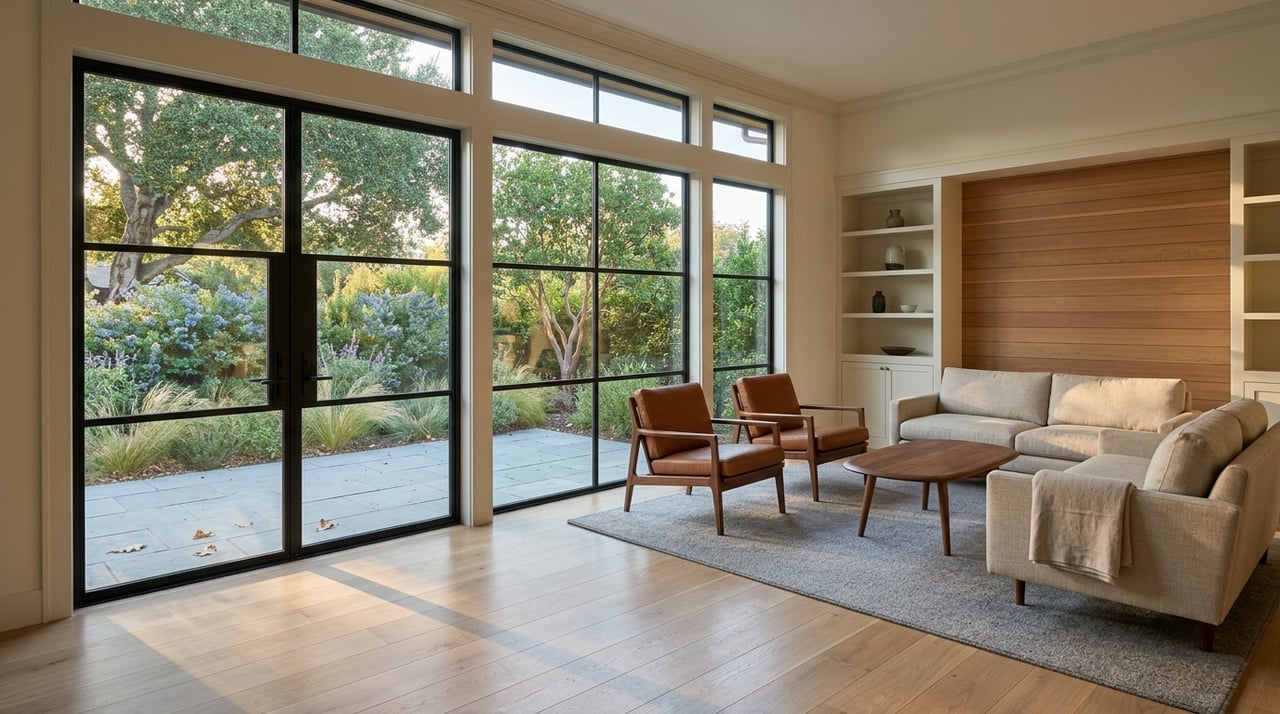
Microclimate also affects how a home handles heat and light. According to the U.S. Department of Energy, about 30% of a home’s heating energy can be lost through windows, and in cooling seasons about 76% of the sunlight that falls on standard double-pane windows becomes heat.
That makes window placement and shading especially important. South-facing windows can help capture winter sun, but they usually benefit from summer shading. East- and west-facing windows are more prone to unwanted heat gain.
Natural ventilation can also make a difference when breezes are favorable. In a city like San Rafael, where air movement can vary by ridge, slope, and bay exposure, operable windows and cross-ventilation may affect comfort more than you expect during a home tour.
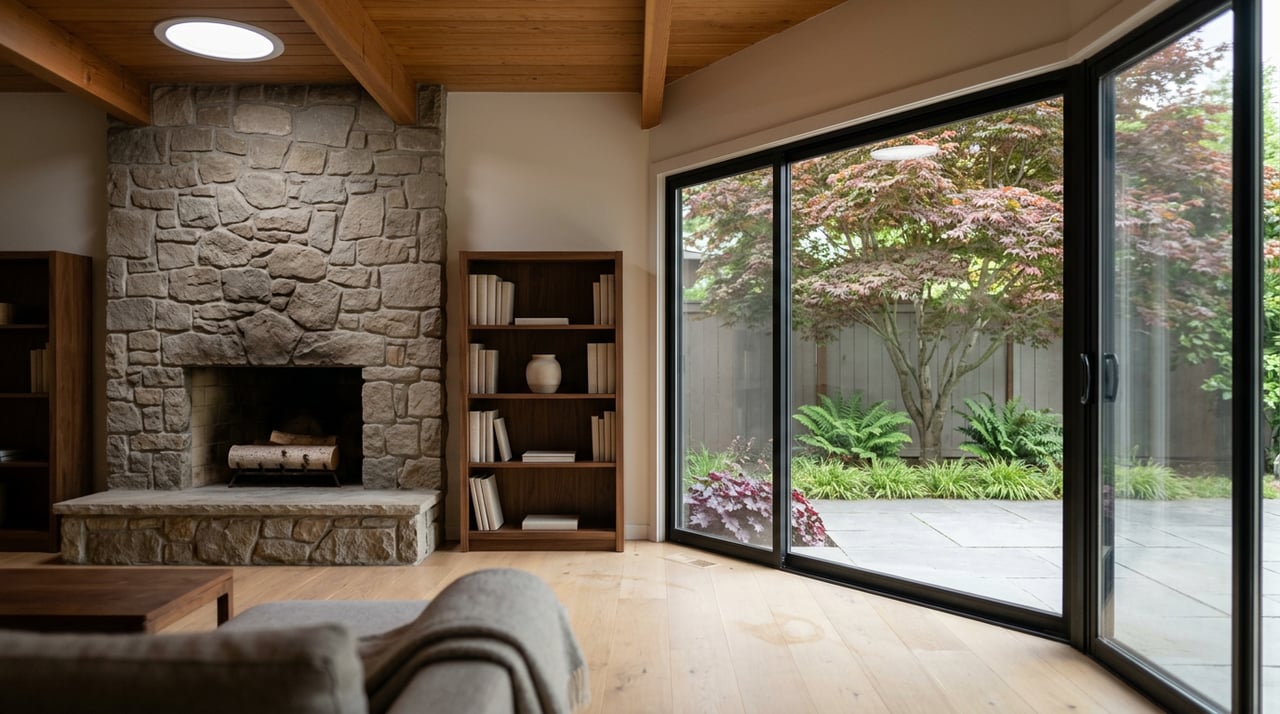
If outdoor living matters to you, microclimate deserves a close look. A sunny patio, breezy deck, sheltered backyard, or cool side garden may each feel very different on the same property.
UC Marin Master Gardeners describe Marin as having a Mediterranean climate with cool, wet winters and a long dry summer and fall. They also note that California native plants and plants from other Mediterranean climates are often well suited, while plants that need lots of summer water may be less aligned with local conditions.
Because inland San Rafael and eastern San Rafael fall into different climate zones, plant selection, irrigation needs, and frost sensitivity can vary. That matters if you want a productive garden, lower-maintenance landscaping, or an outdoor area that is comfortable through more of the year.
The best way to understand a property’s microclimate is to experience it, not just read the listing. A smart tour can help you spot differences that photos and floor plans will not show.
Try to see the home in the morning, midday, and late afternoon if possible. Shade changes during the day, and marine clouds often arrive overnight or later in the day before clearing.
A house that feels bright at noon may feel much cooler and grayer in the morning. Seeing those shifts can help you decide what fits your preferences.
Do not stay inside the whole time. Stand in the front yard, back patio, balcony, or side yard and notice whether the air feels calm, breezy, or exposed.
Onshore flow and local terrain can make one block breezier than the next. In San Rafael, ridges, slopes, and openings in the terrain all affect how air moves.
Take a close look at lower parts of the lot, terraced areas, and rear yards. Cold pockets often form at the bottoms of slopes, and hard surfaces like decks, pavers, rocks, and walls can store and release heat.
Those details can change how comfortable a yard feels in the morning, afternoon, and evening. They can also affect how you use outdoor rooms over time.
Open and close the windows if the showing allows it. Think about where the sun hits the glass and whether the home has practical ways to manage heat, glare, and airflow.
South- and west-facing glass may benefit from shading or window coverings. Cross-ventilation can improve comfort when local breezes are available.
Do not assume the whole neighborhood feels the same. A hillside setting, a valley floor, and a bay-adjacent street may all sit in different microclimates even if they share the same ZIP code.
In San Rafael, that variation is part of normal living. It is one reason local guidance can be so valuable when you are weighing one property against another.
When you buy in San Rafael, you are not just buying a house. You are also buying its sun pattern, breeze exposure, fog rhythm, and how the lot interacts with the landscape around it.
That can affect your comfort indoors, how much you use the yard, what kind of landscaping will thrive, and how the home may perform during warmer or cooler stretches. In many cases, these factors matter just as much as square footage or cosmetic updates.
A well-located home in the right microclimate for your lifestyle can feel better from the start. If you enjoy sunny afternoons, sheltered outdoor space, or cooler mornings, those preferences should be part of your search.
At Falla Associates, we believe local knowledge makes better buying decisions possible. If you want help comparing San Rafael homes with microclimate, lot orientation, and day-to-day livability in mind, connect with Falla Associates.
Stay up to date on the latest real estate trends.

Partner with a team that values trust, results, and a personalized experience from start to finish.
Contact With Our Team To Learn More

FALLA ASSOCIATES
902 Irwin St San Rafael CA 94901 Jennifer Falla Firkins | CA DRE# 01255172 Alva Falla | CA DRE# 00628712