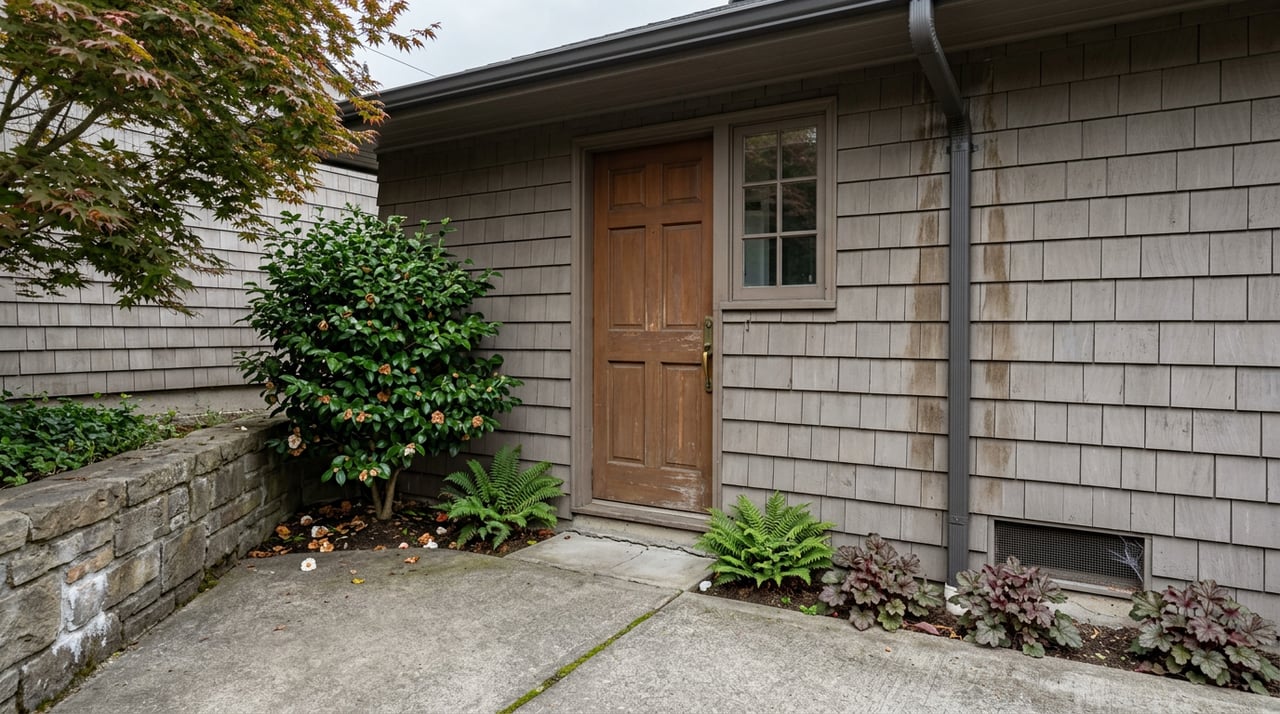
San Rafael Sewer Lateral Rules for Your Home Sale
August 13, 2026
August 13, 2026
Two sellers list similar homes in San Rafael the same week. One is in Terra Linda, the other in downtown San Rafael, ten minutes apart by car. Both homes were built in the 1960s. Both sellers assume the closing process will look about the same.
It won't. The Terra Linda seller needs a sewer lateral inspection and a compliance certificate before escrow can close. The downtown seller does not need one at all, at least not from the sanitation district. Same city, same era of home, two different checklists. The reason has nothing to do with the size of the lot or the condition of the pipes. It has to do with a hill.
San Rafael's sewer service is split between two separate agencies, and the boundary between them isn't a street or a zip code. According to the City of San Rafael, properties north of Puerto Suello Hill fall under the Las Gallinas Valley Sanitary District, while properties south of the hill are served by the San Rafael Sanitation District. Puerto Suello Hill is the rise that carries Highway 101 between downtown and the Terra Linda-Lucas Valley corridor, so most sellers have driven through the dividing line dozens of times without realizing it marks a change in who regulates their sewer connection.
Las Gallinas Valley Sanitary District, or LGVSD, serves the neighborhoods that sit north of that hill: Terra Linda, Santa Venetia, Marinwood, Lucas Valley, San Rafael Meadows, Los Ranchitos, and the Smith Ranch Road area. San Rafael Sanitation District, or SRSD, covers downtown San Rafael and the rest of the city on the hill's south side.
The two districts don't just have different names. They have different rules for what happens when you sell.
| Las Gallinas Valley Sanitary District (north of the hill) | San Rafael Sanitation District (south of the hill) | |
|---|---|---|
| Point-of-sale lateral inspection | Required for homes listed for sale at $30,000 or more in value, which covers essentially every resale | Not currently required |
| Standard review fee | $250, with a 10-business-day turnaround | Not applicable |
| Expedited review fee | $500, with a 5-business-day turnaround | Not applicable |
| When it must be resolved | Before close of escrow | Not applicable |
LGVSD's own sewer lateral page spells out the trigger and the fee schedule directly, and confirms the district requires inspections of lateral and mainline related work before close of escrow. Meanwhile, San Rafael Sanitation District's FAQ states plainly that the district does not currently require a lateral inspection before a property changes hands.
That gap matters because a sewer lateral is the privately owned pipe connecting a house to the public main, and the property owner is responsible for its condition and cost of repair on both sides of the hill. LGVSD just happens to check the pipe before it lets a sale close. SRSD leaves it to the buyer and seller to sort out on their own, without a district-mandated inspection forcing the issue.
$250 or $500 is a manageable line item in almost any San Rafael closing. What trips people up is the sequence. Before LGVSD will even review a lateral, someone has to schedule an inspection performed by a licensed plumber or a PACP-certified inspector, the kind of camera-based assessment that shows the condition of the pipe. Only after that inspection is complete can the district start its clock: 10 business days for standard review, or 5 business days for expedited review if the seller pays double.
Ten business days alone is two calendar weeks, and that clock doesn't start until the inspection is in hand. A seller who waits until after accepting an offer to think about the lateral can easily push past three weeks before a certificate arrives, especially if the line needs repair work before it will pass or the plumber's schedule is full. That's a meaningful risk when a purchase contract already has a firm closing date and a lender needs final numbers before funding.
A seller south of the hill never faces that clock, because SRSD isn't requiring the inspection in the first place. That asymmetry is worth knowing before you set your listing timeline, not after your buyer's lender starts asking why escrow hasn't closed on schedule.
Here's how the sequence should actually run for a seller who knows they're north of the hill:
The sewer lateral split isn't the only inspection San Rafael sellers need to track, and it's easy to confuse the two because they both involve a city inspector showing up before closing. The City of San Rafael has run a Residential Building Resale program, known as the RBR, since the 1970s. The city states that the RBR requires an inspection along with a records search of city permits before the sale or exchange of any residential building in San Rafael. Unlike the sewer lateral rule, this one applies citywide. It doesn't care which side of Puerto Suello Hill your address falls on.
The RBR report is good for six months from the inspection date, and the city recommends applying before a property is listed so there's enough time to schedule and complete it before a buyer is in the picture. The report exists to catch permit gaps: additions, remodels, or mechanical work done without the right sign-off. If it turns up unpermitted work, the city has some built-in leniency. Improvements older than 25 years that appear to be properly constructed generally won't trigger a permit requirement, and work completed before certain code dates, like window installations before 2006, gets acknowledged rather than flagged.
That leniency matters more in San Rafael than in a lot of comparable Marin towns, because so much of the housing stock predates modern permitting norms. State housing element data shows that 59.3 percent of San Rafael's housing units were built in 1969 or earlier, which means permit history checks turn up something worth discussing on a regular basis, not as the exception.
Put the two rules side by side and the real lesson isn't about pipes or permits specifically. It's that a seller in San Rafael is dealing with at least two separate government reviewers who don't coordinate with each other, on two different timelines, and the one that applies to the sewer line depends entirely on which side of a hill the house happens to sit on. A seller who treats "San Rafael's closing process" as a single known quantity is working from an incomplete map.
How do I find out which sanitation district serves my home? The City of San Rafael's own boundary page states the rule directly: north of Puerto Suello Hill is Las Gallinas Valley Sanitary District, south of the hill is San Rafael Sanitation District. If there's any doubt, both districts can confirm coverage for a specific address.
Does the RBR replace the need for a private home inspection? No. The RBR is a permit-records check and a physical inspection tied to city compliance, not a substitute for the kind of general home inspection a buyer typically orders during their contingency period.
Can I start the sewer lateral process before I have a signed offer? Yes, and in a district that requires it, that's the better order of operations. Ordering the inspection and submitting it to LGVSD before listing removes one of the few closing steps that's genuinely outside your control once you're under contract.
Every San Rafael listing carries its own version of this kind of local detail, and the sellers who plan around it usually close on schedule instead of chasing paperwork during their final week of escrow. If you're weighing when to list, or you just want a clear read on what your specific address requires before you put a sign in the yard, Falla Associates can walk through it with you. Get a free home valuation and a straight answer on what your closing timeline actually looks like.
Stay up to date on the latest real estate trends.

Partner with a team that values trust, results, and a personalized experience from start to finish.
Contact With Our Team To Learn More

FALLA ASSOCIATES
902 Irwin St San Rafael CA 94901 Jennifer Falla Firkins | CA DRE# 01255172 Alva Falla | CA DRE# 00628712